Eat Clear: Understanding Food, Mucus, and Your Body

Understanding the Connection Between Food, Daily Habits, and How Your Body Responds

Modern wellness often feels overwhelming, especially when it comes to food and health. Conflicting advice can make it difficult to understand what truly supports the body and what may quietly work against it. Eat Clear was created to bring clarity to that conversation. This guide explores how everyday habits—clean eating, hydration, sleep, and food choices—can influence how the body feels, functions, and responds during times of wellness and illness. Rather than promoting restriction or fear, this ebook encourages awareness, balance, and informed decision-making, helping you better understand how certain foods may affect mucus, energy, and overall well-being so you can eat with confidence and intention.


SECTION 1

Clean Eating, Daily Habits, and Staying Well

Before discussing mucus, food sensitivities, or what to eat when you’re sick, it’s important to understand the foundation of wellness. Most people don’t feel “run down” or congested because of one single food. More often, it’s the result of cumulative stress on the body—poor hydration, lack of sleep, nutrient gaps, and highly processed diets that leave the immune system working overtime.

Clean eating, in its simplest form, means prioritizing whole, minimally processed foods that provide hydration, fiber, vitamins, minerals, and antioxidants. Fruits and vegetables play a central role because they support digestion, immune function, and inflammation balance—three systems that directly influence how mucus behaves in the body.

Hydration is equally critical. Mucus is largely made of water, and when the body is dehydrated, mucus becomes thicker, stickier, and more noticeable. Drinking enough water throughout the day helps maintain normal mucus consistency, supports circulation, and allows the body to flush waste efficiently.

Sleep is another often-overlooked factor. During deep sleep, the immune system repairs itself, inflammation levels decrease, and the body recalibrates. Chronic sleep deprivation can weaken immune defenses, making you more susceptible to lingering congestion, frequent illness, and prolonged recovery times.

When clean eating, hydration, and adequate rest work together, the body is better equipped to stay resilient. You’re less likely to feel chronically congested, fatigued, or stuck in a cycle of minor illness. This foundation matters because when you do get sick, your baseline health determines how quickly and comfortably you recover.


SECTION 2

When You’re Sick: Foods That May Increase Mucus in Some People

When illness strikes—whether it’s a cold, sinus congestion, or general fatigue—many people become more aware of mucus. It’s important to clarify that mucus itself is not the enemy. It plays a protective role by trapping pathogens and irritants. However, certain foods may increase mucus thickness, irritation, or the perception of excess mucus in some individuals, especially when the body is already under stress.

These foods are not universally problematic, nor do they need to be avoided permanently. Sensitivity depends on the individual, preparation method, portion size, and overall health.

Vinegar, while often praised for digestive benefits, is highly acidic. During illness, acidic foods can irritate the throat or nasal passages, making mucus feel thicker or more uncomfortable.

Dried fruits are concentrated sources of natural sugar and lack the water content of fresh fruit. Their dense, sticky texture may feel heavy in the throat for some people, especially when hydration is low.

Avocados are rich in healthy fats, but fats digest more slowly. When digestion is sluggish due to illness, high-fat foods can sometimes feel heavy or lead to a lingering coated sensation.

Tomatoes are acidic and may exacerbate reflux-related mucus sensations for certain individuals. Raw tomatoes tend to be more problematic than cooked ones.

Spinach, mushrooms, and eggplant are higher in histamines or compounds that can trigger histamine release. People with histamine sensitivity may notice increased congestion or throat clearing after consuming them, particularly when sick.

Alcoholic beverages, including cider, are dehydrating and inflammatory. Alcohol can thicken mucus, slow immune response, and prolong recovery, making it one of the most common contributors to lingering congestion during illness.

The key takeaway is awareness, not restriction. Paying attention to how your body responds during periods of illness allows you to make supportive choices without unnecessary fear around food.


SECTION 3

Foods That Support Clarity, Hydration, and Balance

While some foods may feel heavier during illness, others tend to support hydration, immune function, and overall balance. These foods are often lighter, water-rich, fiber-dense, and packed with nutrients that help the body recover efficiently.

Fruits such as berries, citrus fruits, cantaloupe, kiwi, and lemons provide hydration, vitamin C, and antioxidants that support immune resilience. Their high water content helps thin mucus naturally, while their nutrients assist in tissue repair and inflammation control.

Vegetables play an equally important role. Leafy greens, bell peppers, broccoli, squash, celery, watercress, parsley, onions, and garlic offer fiber, phytonutrients, and compounds that support digestion and immune defense. Garlic and onions, in particular, contain sulfur compounds that have been traditionally associated with immune support.

Tomatoes appear in both sections for a reason. When cooked, tomatoes are often better tolerated and can provide beneficial antioxidants like lycopene, which supports overall cellular health.

Seeds and nuts such as walnuts, flaxseeds, and pumpkin seeds provide omega-3 fatty acids, fiber, and minerals that support gut health and inflammation balance. Consuming them ground or well-chewed can improve digestion and tolerance.

Pickles and other fermented foods can support gut health for some people by introducing beneficial bacteria. However, because they are acidic, they are best consumed in moderation and based on individual tolerance.

Additional foods that often support clarity include cucumbers, zucchini, pears, apples, ginger, turmeric, herbal teas, and warm broths. These foods emphasize hydration, gentle digestion, and warmth—qualities that many people find soothing during recovery.


A Gentle Reminder

Eating clear is not about rigid rules or eliminating foods forever. It’s about understanding how your body responds under different conditions and choosing foods that support comfort, balance, and long-term wellness. By building a strong foundation through clean eating, hydration, and rest, you give your body the tools it needs to stay resilient—and to recover more gracefully when illness does occur.

Everyday Foods That Boost Immunity Naturally

A strong immune system is key to staying healthy year-round, and the best part is that nature has already stocked your kitchen with powerful foods to help. From spices to fruits, several common ingredients not only enhance the flavor of your meals but also give your immune system a natural boost. Here’s a look at some everyday foods you can incorporate into your diet to strengthen your body’s defenses.

1. Garlic

Garlic isn’t just a flavor powerhouse — it’s also a potent immune booster. Rich in compounds like allicin, garlic helps fight infections and supports the body’s natural defenses. Studies have shown that regular garlic consumption can reduce the severity and frequency of colds and other viral illnesses. Try adding fresh garlic to stir-fries, soups, or roasted vegetables for both taste and health benefits.

2. Ginger

Ginger has been used for centuries as a natural remedy for inflammation and digestive issues. It contains gingerol, a bioactive compound with antioxidant and anti-inflammatory effects. Consuming ginger regularly can help soothe sore throats, reduce inflammation, and support overall immunity. Fresh ginger can be added to teas, smoothies, soups, or even roasted vegetable dishes.

3. Turmeric

Turmeric is famous for its bright yellow color, but it’s the compound curcumin that makes it so powerful for your immune system. Curcumin has strong anti-inflammatory and antioxidant properties, which can help regulate immune responses and protect against illness. For best absorption, combine turmeric with a pinch of black pepper in soups, curries, or golden milk.

4. Citrus Fruits

Vitamin C is well-known for its immune-boosting effects, and citrus fruits are one of the richest natural sources. Oranges, lemons, limes, and grapefruits help stimulate white blood cell production, which is essential for fighting infections. Add citrus to your morning water, smoothies, or salads to get a refreshing immune lift.

5. Green Leafy Vegetables

Vegetables like spinach, kale, and Swiss chard are packed with vitamins, minerals, and antioxidants that support immune health. They’re rich in vitamin C, vitamin E, and beta-carotene, all of which help the body fight off pathogens. Include leafy greens in salads, stir-fries, or smoothies to increase nutrient density and give your immune system a natural edge.

6. Yogurt or Plant-Based Alternatives

Probiotics — the beneficial bacteria found in yogurt and fermented plant-based alternatives — help balance gut microbiota, which is crucial for immune function. A healthy gut contributes to stronger defenses against infections. Choose unsweetened yogurt or fortified plant-based alternatives and enjoy it as a snack or breakfast topping.

Tips for Maximizing Immune Benefits

Eat a variety of these foods daily to cover multiple nutrients. Use fresh, whole ingredients whenever possible. Combine immune-boosting foods with healthy lifestyle habits like regular exercise, adequate sleep, and stress management for optimal results.

Incorporating these everyday foods into your diet is a simple and delicious way to naturally strengthen your immune system. Small, consistent changes — like adding garlic to dinner or sipping a ginger-citrus tea — can make a big difference in your body’s ability to fight off illness.

Orange-Ginger Jam

Orange-Ginger Jam - The Vegan Rhino

Do you have a ton of oranges or simply want to just brighten up your morning? Then this is the jam for you! I have to say, I normally keep strawberry or peach jam on hand during the springtime, but my new favorite is this orange and ginger, it’s fresh and flavorful. And for all those bakers, this would be great in a citrus sponge roll cake

Yield 1 cup

Ingredients

2 cups chopped oranges, peeled, cleaned, and sliced

1-1/2 tsp. fresh ginger, minced

1 lime, juice and zest

1/2 cup organic cane sugar

1/2 cup filtered water


Directions

  1. Bring all ingredients to a boil and reduce heat to keep a steady simmer for 40-45 minutes; Stirring frequently.
  2. Remove the jam from the stove and carefully bottle it in to a clean mason jar.
  3.  

Chef’s tip: This orange jam is great to use in orange broccoli with steam white rice. 

Simple Macaroni and Cheese Casserole

Simple Macaroni and Cheese Casserole - The Vegan Rhino

Simple Macaroni and Cheese Casserole  - The Vegan Rhino

With tons of pantry items and a couple staple vegetables, you can make a delicious vegan macaroni and cheese dish! This Mac dish is made with a plant-based na-cho average cheese sauce that is paired with frozen broccoli. If you have some extra ingredients laying around, like parsley, panic bread crumbs or vegan cheeses, you can add them to the top and bake it until golden brown and bubbling. This recipe is a simple way to be creative with your vegetables and any other produce you may have laying around.

Simple Macaroni and Cheese Casserole  - The Vegan Rhino

Yield 4

Ingredients

12 oz. Bionature 100% gluten free elbows

2 cups broccoli florets, frozen or fresh

1/2 na-cho average cheese sauce recipe

Breadcrumb topping (optional):

1/8 cup panko bread crumbs

1/8 cup vegan cheddar cheese

1/8 cup vegan parmesan cheese

Freshly chopped parsley, to garnish

Directions

  1. Preheat oven to 425 degrees F.
  2. In a large pot filled 3/4 of the way with well-salted water, boil your pasta according to the boxed instructions. In the last minute of cooking your pasta, add frozen broccoli. Drain and add it back to the pot.
  3. Stir in the cheese sauce and pour mixture into a small lightly greased casserole dish. Top with breadcrumb mixture (optional)
  4. Bake for 10-18 minutes or until cheese is slightly brown and bubbling.
  5. Serve immedietly.


Chef’s tip: If you are in a pinch on ingredients, forget the toppings and just eat the macaroni and cheese once you add the cheese sauce to the pasta and broccoli.


Other recipes

Asian-Style Meatless Meatballs

Asian-Style Meatless Meatballs - The Vegan Rhino


The best meatless meatballs using SunFlower Family sunflower haché. The haché was infused with Asian seasonings and paired with a homemade sweet-and-spicy pepper glaze. For the sauce, I used my homegrown scotch bonnet and ghost peppers, which really kicked it up a notch. For some added flavor, make sure to use some leftover Vietnamese Pho Broth, I promise its much better than vegetable broth.

Yield 3

Ingredients

1 box sunflower family haché

1 tsp. grated ginger

1/2 tsp. ground black pepper

1/2 tsp. Himalayan Fine Pink Salt

1 tsp. organic tamari sauce

1 tsp. rice wine vinegar

1 yellow onion, minced

3 garlic cloves, minced

1/2 small ghost pepper, seeds removed and minced

1/4 cup panko breadcrumbs

2 Tbsp. Bob’s Red Mill Egg Replacer + 4 Tbsp. filtered water

1 tsp. Organic Raw Blue Agave

1 tsp. red miso paste

2 tsp. coconut milk

Sauce:

1 scotch bonnet pepper, minced

3 garlic cloves, minced

2 tsp. minced yellow onion

2 tsp. rice wine vinegar

2 tsp. organic tamari sauce

1 Tbsp. light brown sugar

1-1/2 tsp. tomato paste

1 tsp. minced ginger

Pinch of salt and pepper

1 tsp. cornstarch + 1 tsp. filtered water

1/4 cup vegetable broth

Directions

  1. In a small bowl, soak the haché with roughly 1/4 cup of water (just until moistened); Do not over soak.
  2. In a larger mixing bowl, combine all of the ingredients for the “meatballs” well mixed.
  3. In an air-fryer (or oven) set the meatless meatballs in an even layer and cook at 400 degrees F for 15-20 minutes or until golden brown. In the meantime, prepare the sauce.
  4. In a sauce pan on medium-high heat, add the minced scotch bonnet pepper, garlic, onion, rice vinegar, tamari, brown sugar, tomato paste, ginger, pinch of salt and pepper, cornstarch mixture, and veggie broth. Stir until smooth and sauce has thickened.
  5. Once “meatballs” are finished, place onto a serving dish and drizzle the sauce over each.
  6. Serve immediately.


Chef’s tip: You can sauté the onions prior to making the “meatball” mixture for added flavor.

Hearty Lentil Soup

Hearty Lentil Soup

Hearty Lentil Soup

What’s more perfect than a big bowl of warm lentil soup to comfort you through those cold wintry days. The best thing about this soup is how minimal the recipe is without lacking on the flavor. Serve it up with some rustic bread that’s been slightly toasted and enjoy with your family and friends.el

Hearty Lentil Soup

Yield 4

Ingredients

1 Tbsp. avocado oil

1 large carrot, peeled and sliced into rounds

1 celery stalk, sliced

1 yellow onion, fine chop

2 garlic cloves, minced

1/2 tsp. whole cumin seeds, pan toasted for 1 minute or until fragrant

1 cup lentils

8 cups vegetable stock

1 tsp. Himalayan Fine Pink Salt

1/2 tsp. ground black pepper

Directions

  1. In a large pot on medium-high heat, add the oil, onions celery, and carrots. Sauce for 5 minutes and add the garlic.
  2. Combine the cumin, lentils, vegetable stock, salt, and black pepper to the pot. Bring to a boil and reduce heat to low and simmer for 1 hour.
  3. Serve with a slice of toasted bread and drizzle of lemon juice.


Chef’s tip: Instead of cumin seeds, you can use cumin powder- just season to taste.

Flourless Peanut Butter and Chocolate Chip Cookies

Flourless Peanut Butter and Chocolate Chip Cookies

 Flourless Peanut Butter and Chocolate Chip Cookies

intro

Flourless Peanut Butter and Chocolate Chip Cookies

Yield 32

Ingredients

1 cup peanut butter

1 cup light brown sugar

1 Tbsp. egg replacer + 2 Tbsp. filtered water

1 tsp. baking soda

1 cup vegan chocolate chips

Directions

  1. In a bowl, beat together peanut butter, and brown sugar until creamy. Stir in the  egg replacer and baking soda. Fold in the chocolate chips.
  2. On a baking sheet lined with parchment paper, drop rounded teaspoon onto uncreased pan. Space the cookies about 2-inches apart.
  3. Bake for 8 to 10 minutes. Cookies are puffed and slightly browned.
  4. Let cookies cool on baking sheet for a few minutes before transferring to a wire rack to cool completely.


Chef’s tip: 

Applesauce Bars

Applesauce Bars

Applesauce Bars

When you have to make a dessert that is easily shareable, these bars are your go-to  dessert. With a simple glaze that covers the top, these homemade applesauce bars are the perfect treat! The best way to enjoy these bars are when they come out of the oven and have slightly cooled. The warm sensation with Fall flavors and cinnamon glaze is a finger-licking good recipe.

Applesauce Bars

Yield

Ingredients

1 cup organic cane sugar

1 cup applesauce

1/2 cup avocado oil

2 cups all-purpose organic flour

1 tsp. baking soda

1/2 tsp Himalayan fine pink salt

1/2 tsp. ground cinnamon

1/2 tsp. ground nutmeg

1/4 tsp. ground cloves

1 cup raisins

1/2 cup  walnuts nuts

Glaze:

1/2 cup powdered sugar

1-2 Tbsp. hot water, use as needed

1/8 tsp. ground cinnamon

1/8 tsp. Himalayan salt

Directions

  1. Preheat oven to 350 degrees F.
  2. In a bowl, combine the sugar, apple sauce, and oil. Mix together the flour, baking soda, salt, cinnamon, nutmeg, and cloves in a separate bowl and add it to the wet mixture. Stir until combined. Fold in the raisins and nuts.
  3. Grease and flour a 13×9-inch baking pan and add the cookie bar mixture.
  4. Bake for 30 minutes. Remove from oven and allow to cool slightly before topping with glaze.
  5. Enjoy


Chef’s tip: You can swap the raisins for another type of dried fruit of your choosing.

Simple Breakfast Oats with Fruit

Simple Breakfast Oats with Fruit

Simple Breakfast Oats with Fruit

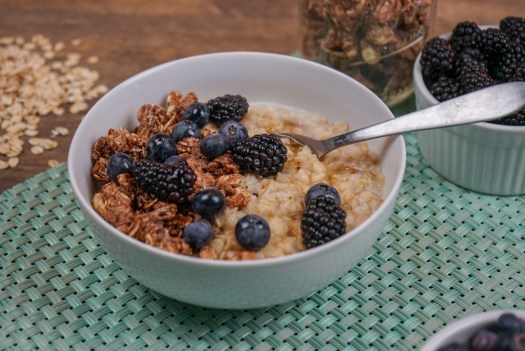
When breakfast rolls around in the morning, this oatmeal with berries and chocolate granola is the best. Drizzling the warm oatmeal and toppings with some agave gives a perfect sweetness to the meal that isn’t over powering like maple syrup can tend to be. Topping your oatmeal with my homemade granola is a great way to add some extra crunch!

Simple Breakfast Oats with Fruit

Yield 1

Ingredients

1 cup rolled oats

2 cups oat milk

1/4 tsp. Vitacost Himalayan Fine Pink Salt

1/4 cup berries of choice

1/4 cup granola

Drizzle of agave

Directions

In a small sauce pan, add oats, salt, and oat milk. Bring to a boil and reduce heat too low. Cook for 2 minutes.

Top with agave, granola, and berries.

Serve hot!


Chef’s tip: Add some blueberries to the oatmeal while cooking!


5-Minute Moringa Guacamole

5-Minute Moringa Guacamole

5-Minute Moringa Guacamole

If you think you’ve seen it all, let’s just say you haven’t yet. This superfood guacamole, made with Moringa powder, has a mild earthy taste that enhance the natural avocado flavor. Since taco Tuesday isn’t just about tacos, this recipe will be a great way to elevate your meal.

5-Minute Moringa Guacamole

Yields 3-4 servings

Ingredients

3 Haas avocado, mashed

1-2 garlic cloves, minced

1-1/2 Tbsp. onion, small dice

2 Tbsp. fresh tomato, diced

2 tsp. lime juice

Pinch of Vitacost Himalayan Fine Pink Salt

Pinch of ground pepper

1 Tbsp. Moringa powder

Directions

  1. In a bowl, combine the mashed avocado, garlic, onion, tomato, lime juice, salt, pepper, and Moringa powder. Mix until well combined.
  2. Serve with chips, tacos, enchiladas or your choice of food.


Chef’s tip: Top with extra tomato, onion, cilantro or any other toppings you’d like.