Vegan Pantry Essentials for a Healthier Year

Why Your Pantry Matters More Than Your Meal Plan

A healthier year doesn’t begin with restrictive resolutions or complicated recipes — it starts with what’s already in your kitchen. The foods you keep on hand quietly shape your daily choices, influencing everything from energy levels to how often you rely on convenience foods. When your pantry is stocked with nourishing staples, balanced meals become easier, faster, and more intuitive.

A well-built pantry isn’t about perfection or expensive superfoods. It’s about creating a reliable foundation of ingredients that support everyday health while allowing flexibility. Whether you’re new to plant-based eating or simply looking to reset your habits, building a thoughtful pantry sets you up for long-term success.

Whole Grains: The Backbone of a Healthy Vegan Pantry

Whole grains are a cornerstone of plant-based nutrition because they provide complex carbohydrates, fiber, and essential minerals that support sustained energy. Unlike refined grains, whole grains digest more slowly, helping regulate blood sugar and prevent energy crashes throughout the day.

Staples such as brown rice, quinoa, oats, farro, and whole-grain pasta are affordable, shelf-stable, and endlessly versatile. They can anchor meals ranging from breakfast bowls to hearty dinners, making them ideal for everyday cooking. Keeping a variety of whole grains on hand ensures meals stay interesting while supporting digestive health and long-term wellness.

Plant-Based Proteins That Make Balanced Meals Easy

Protein needs are easily met with a well-stocked vegan pantry. Shelf-stable plant proteins like lentils, chickpeas, black beans, split peas, and textured vegetable protein provide both protein and fiber, making meals more filling and nutritionally complete.

These ingredients are especially valuable because they require minimal planning. Canned or dried legumes can quickly become soups, stews, curries, salads, or spreads. When paired with whole grains and vegetables, plant-based proteins support muscle maintenance, fullness, and steady energy — without relying on highly processed foods.

Healthy Fats for Satiety and Nutrient Absorption

Healthy fats are an essential part of a balanced vegan diet, supporting hormone health, brain function, and the absorption of fat-soluble vitamins. Pantry staples like olive oil, avocado oil, canned coconut milk, nuts, seeds, and natural nut butters add both nourishment and flavor to meals.

Including healthy fats helps meals feel more satisfying, which can reduce unnecessary snacking later in the day. Used mindfully, these fats enhance simple ingredients and support a sustainable, enjoyable approach to plant-based eating.

Flavor Builders That Prevent Food Fatigue

Flavor is what makes healthy eating sustainable, and a well-stocked seasoning pantry is key to satisfying vegan meals. Ingredients like nutritional yeast, miso paste, tamari or soy sauce, and a variety of vinegars add depth and umami, while spices such as smoked paprika, cumin, turmeric, and garlic powder bring warmth and complexity.

These pantry staples allow you to build flavor without relying on packaged sauces that are often high in sugar, sodium, or additives. When food tastes good, plant-based eating feels less restrictive and more enjoyable.

Pantry-Friendly Produce for Everyday Nutrition

Shelf-stable fruits and vegetables play an important role in a healthy vegan pantry. Canned tomatoes, tomato paste, jarred roasted red peppers, dried mushrooms, and seaweed products offer concentrated nutrients and long shelf lives.

These ingredients are especially useful for building soups, sauces, and grain dishes, ensuring vegetables remain central to meals even when fresh produce isn’t readily available. Pantry produce supports consistency and variety in plant-based eating year-round.

Smart Convenience Foods That Support Busy Lifestyles

A healthy vegan pantry makes room for convenience — without sacrificing nutrition. Shelf-stable tofu, unsweetened plant milks, canned soups with simple ingredients, and thoughtfully chosen jarred sauces can make balanced meals more accessible on busy days.

The key is prioritizing foods with short ingredient lists and minimal processing. When chosen intentionally, convenience foods help support healthy habits rather than derail them.

Optional Wellness Add-Ons for Extra Nutritional Support

For those looking to further optimize their nutrition, certain pantry additions can provide extra benefits. Chia seeds and flaxseed contribute fiber and omega-3 fats, while psyllium husk supports digestive health. Protein powders or superfoods like spirulina may also be useful depending on individual needs.

These items are optional rather than essential. A strong foundation of whole foods will always matter most, but strategic add-ons can complement an already balanced pantry.

Build Once, Eat Better All Year

A thoughtfully stocked vegan pantry reduces daily decision fatigue and removes many of the barriers to healthy eating. When nourishing ingredients are readily available, balanced meals become the default rather than the exception.

Instead of aiming for an overnight overhaul, focus on gradual upgrades that fit your lifestyle and budget. By building a pantry centered on whole grains, plant proteins, healthy fats, and flavorful seasonings, you create a foundation that supports healthier eating not just for a reset — but for the entire year.


Vegan Pantry Essentials Checklist

Use this checklist to build a balanced vegan pantry that supports healthy, everyday meals all year long. You don’t need everything at once — start with what fits your lifestyle and add over time.

Whole Grains (Energy + Fiber)

Brown rice

Quinoa

Rolled oats or steel-cut oats

Farro or barley

Whole-grain pasta

Couscous or bulgur

Cornmeal or polenta

Plant-Based Proteins (Filling + Versatile)

Dry or canned lentils

Chickpeas

Black beans

Kidney beans

Split peas

Textured vegetable protein (TVP)

Shelf-stable tofu or tempeh

Healthy Fats (Satiety + Nutrient Absorption)

Olive oil

Avocado oil

Canned coconut milk

Almonds or walnuts

Pumpkin seeds or sunflower seeds

Chia seeds

Flaxseed (ground or whole)

Natural nut butter

Flavor Builders & Seasonings (Taste Without Additives)

Nutritional yeast

Tamari or soy sauce

Miso paste

Apple cider vinegar

Balsamic or rice vinegar

Smoked paprika

Cumin

Turmeric

Garlic powder

Onion powder

Black pepper

Chili flakes

Pantry-Friendly Fruits & Vegetables

Canned diced tomatoes

Tomato paste

Jarred roasted red peppers

Dried mushrooms

Sun-dried tomatoes

Seaweed snacks or nori

Canned pumpkin or squash

Smart Convenience Foods (Time-Savers That Still Nourish)

Unsweetened plant milk (oat, soy, almond)

Canned soups with simple ingredients

Jarred pasta or curry sauces (short ingredient lists)

Shelf-stable grains or lentil packs

Optional Wellness Add-Ons

Psyllium husk

Protein powder (plant-based)

Spirulina or greens powder

Electrolyte powder (low or no sugar)

Eat Clear: Understanding Food, Mucus, and Your Body

Understanding the Connection Between Food, Daily Habits, and How Your Body Responds

Modern wellness often feels overwhelming, especially when it comes to food and health. Conflicting advice can make it difficult to understand what truly supports the body and what may quietly work against it. Eat Clear was created to bring clarity to that conversation. This guide explores how everyday habits—clean eating, hydration, sleep, and food choices—can influence how the body feels, functions, and responds during times of wellness and illness. Rather than promoting restriction or fear, this ebook encourages awareness, balance, and informed decision-making, helping you better understand how certain foods may affect mucus, energy, and overall well-being so you can eat with confidence and intention.


SECTION 1

Clean Eating, Daily Habits, and Staying Well

Before discussing mucus, food sensitivities, or what to eat when you’re sick, it’s important to understand the foundation of wellness. Most people don’t feel “run down” or congested because of one single food. More often, it’s the result of cumulative stress on the body—poor hydration, lack of sleep, nutrient gaps, and highly processed diets that leave the immune system working overtime.

Clean eating, in its simplest form, means prioritizing whole, minimally processed foods that provide hydration, fiber, vitamins, minerals, and antioxidants. Fruits and vegetables play a central role because they support digestion, immune function, and inflammation balance—three systems that directly influence how mucus behaves in the body.

Hydration is equally critical. Mucus is largely made of water, and when the body is dehydrated, mucus becomes thicker, stickier, and more noticeable. Drinking enough water throughout the day helps maintain normal mucus consistency, supports circulation, and allows the body to flush waste efficiently.

Sleep is another often-overlooked factor. During deep sleep, the immune system repairs itself, inflammation levels decrease, and the body recalibrates. Chronic sleep deprivation can weaken immune defenses, making you more susceptible to lingering congestion, frequent illness, and prolonged recovery times.

When clean eating, hydration, and adequate rest work together, the body is better equipped to stay resilient. You’re less likely to feel chronically congested, fatigued, or stuck in a cycle of minor illness. This foundation matters because when you do get sick, your baseline health determines how quickly and comfortably you recover.


SECTION 2

When You’re Sick: Foods That May Increase Mucus in Some People

When illness strikes—whether it’s a cold, sinus congestion, or general fatigue—many people become more aware of mucus. It’s important to clarify that mucus itself is not the enemy. It plays a protective role by trapping pathogens and irritants. However, certain foods may increase mucus thickness, irritation, or the perception of excess mucus in some individuals, especially when the body is already under stress.

These foods are not universally problematic, nor do they need to be avoided permanently. Sensitivity depends on the individual, preparation method, portion size, and overall health.

Vinegar, while often praised for digestive benefits, is highly acidic. During illness, acidic foods can irritate the throat or nasal passages, making mucus feel thicker or more uncomfortable.

Dried fruits are concentrated sources of natural sugar and lack the water content of fresh fruit. Their dense, sticky texture may feel heavy in the throat for some people, especially when hydration is low.

Avocados are rich in healthy fats, but fats digest more slowly. When digestion is sluggish due to illness, high-fat foods can sometimes feel heavy or lead to a lingering coated sensation.

Tomatoes are acidic and may exacerbate reflux-related mucus sensations for certain individuals. Raw tomatoes tend to be more problematic than cooked ones.

Spinach, mushrooms, and eggplant are higher in histamines or compounds that can trigger histamine release. People with histamine sensitivity may notice increased congestion or throat clearing after consuming them, particularly when sick.

Alcoholic beverages, including cider, are dehydrating and inflammatory. Alcohol can thicken mucus, slow immune response, and prolong recovery, making it one of the most common contributors to lingering congestion during illness.

The key takeaway is awareness, not restriction. Paying attention to how your body responds during periods of illness allows you to make supportive choices without unnecessary fear around food.


SECTION 3

Foods That Support Clarity, Hydration, and Balance

While some foods may feel heavier during illness, others tend to support hydration, immune function, and overall balance. These foods are often lighter, water-rich, fiber-dense, and packed with nutrients that help the body recover efficiently.

Fruits such as berries, citrus fruits, cantaloupe, kiwi, and lemons provide hydration, vitamin C, and antioxidants that support immune resilience. Their high water content helps thin mucus naturally, while their nutrients assist in tissue repair and inflammation control.

Vegetables play an equally important role. Leafy greens, bell peppers, broccoli, squash, celery, watercress, parsley, onions, and garlic offer fiber, phytonutrients, and compounds that support digestion and immune defense. Garlic and onions, in particular, contain sulfur compounds that have been traditionally associated with immune support.

Tomatoes appear in both sections for a reason. When cooked, tomatoes are often better tolerated and can provide beneficial antioxidants like lycopene, which supports overall cellular health.

Seeds and nuts such as walnuts, flaxseeds, and pumpkin seeds provide omega-3 fatty acids, fiber, and minerals that support gut health and inflammation balance. Consuming them ground or well-chewed can improve digestion and tolerance.

Pickles and other fermented foods can support gut health for some people by introducing beneficial bacteria. However, because they are acidic, they are best consumed in moderation and based on individual tolerance.

Additional foods that often support clarity include cucumbers, zucchini, pears, apples, ginger, turmeric, herbal teas, and warm broths. These foods emphasize hydration, gentle digestion, and warmth—qualities that many people find soothing during recovery.


A Gentle Reminder

Eating clear is not about rigid rules or eliminating foods forever. It’s about understanding how your body responds under different conditions and choosing foods that support comfort, balance, and long-term wellness. By building a strong foundation through clean eating, hydration, and rest, you give your body the tools it needs to stay resilient—and to recover more gracefully when illness does occur.

8 Delicious Vegan Recipes for a Hanukkah Celebration

Hanukkah is a festival of lights, tradition, and, of course, delicious food! From crispy, golden latkes to soft, sweet sufganiyot, this holiday brings families and friends together over comforting dishes that warm the heart.

These 8 vegan Hanukkah recipes, crafted by passionate chefs, inventive at-home cooks, and culinary enthusiasts from around the world, bring a plant-based twist to beloved classics. From savory bites to indulgent sweets, each recipe is designed to delight every palate and make your holiday table joyful, inclusive, and unforgettable.

Get ready to celebrate the Festival of Lights with dishes that honor tradition, spark creativity, and keep the whole family smiling.


1. Vegan Latkes

Latkes are the ultimate Hanukkah treat, and ZardyPlants’ vegan latkes are every bit as golden, crispy, and satisfying as the classic version. By using flax or chia seeds as an egg substitute, these latkes stay fully plant-based without sacrificing texture or flavor. Each bite delivers a perfect balance of crispy edges and tender centers, making them ideal for serving alongside sweet applesauce or creamy vegan sour cream. Whether you’re frying up a batch for a family gathering or making a cozy snack for yourself, these latkes bring all the warmth, tradition, and festive cheer of Hanukkah straight to your plate.

Recipe: ZardyPlants Vegan Latkes


2. Vegan Challah

No Hanukkah meal is truly complete without bread, and this Edgy Veg vegan challah is a showstopper. Soft, fluffy, and beautifully braided, it’s a centerpiece that brings both taste and tradition to your holiday table. Perfect for soaking up rich sauces, dipping into warm soups, or enjoying on its own with a pat of vegan butter, this challah is as versatile as it is delicious. The slightly sweet, tender crumb and golden crust make every slice feel special, while the artful braiding adds a festive, celebratory touch. Whether served alongside a full Hanukkah feast or enjoyed as a simple snack, this vegan challah embodies the comfort, warmth, and joy of the season.

Recipe: Vegan Challah by Edgy Veg


3. Vegan Matzo Ball Soup

Warm, comforting, and deeply nostalgic, matzo ball soup is the ultimate dish for a cozy Hanukkah evening. Sarah’s Vegan Kitchen and ShortGirlTallOrder bring this classic to life with egg-free, fully plant-based versions, featuring light, airy matzo balls that float perfectly in a rich, flavorful vegetable broth. Every spoonful delivers a sense of home and tradition, with tender matzo balls soaking up the savory, aromatic broth. Add your favorite fresh herbs or a sprinkle of black pepper for extra warmth and depth, and you’ve got a dish that’s both soothing and celebratory. Whether served as a starter for a festive meal or enjoyed on its own, this vegan matzo ball soup captures the heart and soul of Hanukkah in every bowl.

Recipe: Vegan Matzo Ball Soup Sarah’s Vegan Kitchen.


4. Vegan Hamantaschen

While traditionally associated with Purim, sweet triangular hamantaschen are a delightful treat any time of year—and they fit right in on a festive Hanukkah table. The Nosher’s vegan hamantaschen are tender, perfectly baked, and generously filled with classic flavors like fruit preserves or poppy seeds, all made entirely plant-based. The dough is soft yet sturdy enough to hold its shape, while the filling adds a burst of sweetness in every bite. These cookies are perfect for gifting, sharing at holiday gatherings, or enjoying with a cup of tea or hot cocoa by the menorah. With their charming shape and rich, comforting flavors, these vegan hamantaschen bring a playful, celebratory touch to any holiday spread while staying entirely compassionate and cruelty-free.

Recipe: Vegan Hamantaschen


5. Vegan Babka & Rugelach

Sweet pastries are a beloved Hanukkah favorite, and Rainbow Nourishment’s vegan rugelach takes them to the next level. These tender, flaky rolls are filled with decadent chocolate, warm cinnamon, or fruity jam, making them a treat that everyone will love. Perfect for dessert, pairing with tea or coffee, or even gifting to friends and family, these rugelach combine a delicate, buttery texture with rich, flavorful fillings—all completely plant-based. Each bite melts in your mouth, offering a cozy, festive sweetness that feels both indulgent and comforting. Whether enjoyed fresh from the oven or shared as part of a holiday spread, these vegan rugelach bring joy, warmth, and a touch of celebration to every Hanukkah table.

Recipe: Vegan Rugelach by Rainbow Nourishment


6. Vegan Kugel

Sweet or savory, kugel is a comforting and classic Hanukkah dish that brings warmth and tradition to the holiday table. VegKitchen’s noodle kugel offers a sweet, plant-based version with tender noodles, a touch of cinnamon, and a hint of natural sweetness that makes every bite cozy and satisfying. On the savory side, Foodaciously Vegan presents a hearty potato kugel that’s golden, crispy on the edges, and full of rich, comforting flavor. Both versions are easy to prepare, making them perfect for festive gatherings, family dinners, or simply enjoying a comforting dish by the menorah. Whether you prefer the sweet, tender noodles or the savory, crispy potatoes, these vegan kugel recipes capture the heart and soul of Hanukkah, offering dishes that are inclusive, delicious, and full of holiday cheer.

Recipe: VegKitchen Noodle Kugel


7. Vegan Cholent / Tshulent

This slow-cooked stew is perfect for a cozy Shabbat or Hanukkah meal, bringing warmth and hearty comfort to the table. Kosher.com’s vegan tshulent is brimming with protein-packed beans, wholesome grains, and colorful vegetables, all simmered together until the flavors meld into a rich, satisfying dish. Its hearty, savory taste makes it an ideal main course for festive gatherings, offering a plant-based alternative that doesn’t compromise on tradition or depth of flavor. Served straight from the pot, this vegan tshulent is perfect for sharing with family and friends, providing comfort, nourishment, and the celebratory spirit of the holidays in every bite.

Recipe: Kosher.com Vegan Tshulent


8. Vegan Sufganiyot

No Hanukkah celebration is complete without sufganiyot—those irresistibly light, fluffy jelly donuts that have become a holiday staple. World of Vegan shows how to make these classic treats entirely plant-based, keeping the texture pillowy and the flavor indulgent. These donuts can be fried to golden perfection or baked for a lighter option, then filled with luscious fruit jams, rich chocolate, or other creative vegan fillings. Finished with a dusting of powdered sugar, each bite is a sweet, festive delight that captures the joy and tradition of Hanukkah. Perfect for sharing with family and friends, serving at a holiday party, or enjoying as a cozy treat by the menorah, these vegan sufganiyot bring warmth, celebration, and irresistible flavor to your holiday table.

Recipe: World of Vegan Sufganiyot


Celebrate Hanukkah the Vegan Way

From crispy, golden latkes to pillowy, sweet sufganiyot, these plant-based recipes capture all the flavor and joy of Hanukkah—without using any animal products. Each dish is crafted to honor tradition while keeping things vegan-friendly, making them perfect for family gatherings, festive dinners, or cozy nights by the menorah.

Whether you’re planning a full Hanukkah feast or just looking for a few special treats, these recipes make it easy to celebrate with delicious, thoughtful food that everyone can enjoy.


Which recipe will you try first this Hanukkah? We’d love to hear your favorites—share your picks and holiday creations in the comments below!

Back to Health: Reset Your Body and Mind This January—Vegan Style

Start With a Gentle Reset

After weeks of cookies, cocktails, and cozy indulgence, many of us wake up in January feeling… well, a little sluggish and bloated. Sound familiar? The holidays are wonderful, but they can leave your body craving a reset. That’s why January is the perfect time to refocus on your health—plant-based style.

Going vegan or plant-based, even temporarily, can help boost your energy, improve digestion, and set the tone for a healthier year. You don’t need a strict detox or complicated cleanse to get back on track. Begin by reintroducing whole foods like fresh fruits, vegetables, legumes, nuts, and seeds.

Tip: Focus on hydration—herbal teas, infused water, and plenty of water throughout the day help your body naturally flush out toxins and support energy levels.

Prioritize Plant-Based Protein

One common concern when transitioning back to a vegan approach is protein—and it’s understandable. Many people worry about getting enough to fuel their energy, workouts, and overall health. The good news? You don’t have to overthink it. Plant-based protein sources are abundant, versatile, and delicious. Lentils, chickpeas, tofu, tempeh, nuts, seeds, and quinoa are all excellent options, providing not only protein but also fiber, vitamins, and minerals that support digestion, immunity, and sustained energy throughout the day.

A simple strategy is to include a source of protein at every meal—whether it’s a scoop of tofu in your stir-fry, a handful of nuts in your morning oatmeal, or a bean-packed salad for lunch. Over time, these small choices add up, keeping you full, satisfied, and energized without the need for animal products.

Pro tip: Aim to include a source of protein at each meal. This helps keep energy levels steady and curbs sugar cravings, making it easier to stick with your healthy reset.

Embrace Seasonal Produce

Winter is full of nutrient-dense vegetables and fruits that are perfect for a healthy reset. Think roasted root vegetables, hearty leafy greens, vibrant citrus fruits, and sweet, comforting squash. These foods are packed with vitamins, minerals, and antioxidants that help support your immune system, fight inflammation, and keep your energy levels steady during the colder months.

Incorporating seasonal produce into your meals doesn’t just nourish your body—it makes eating fun, colorful, and satisfying. Roasted carrots and parsnips, a citrus-kale salad, or a creamy butternut squash soup can turn even simple meals into something exciting. By focusing on what’s in season, you also benefit from peak flavor and maximum freshness, making healthy eating feel indulgent rather than restrictive.

Tip: Try experimenting with a new winter vegetable each week, or mix and match colors on your plate—your body and your taste buds will thank you.

Practice Mindful Eating

Resetting your health isn’t just about what you eat—it’s about how you eat. Taking the time to slow down, savor each bite, and truly listen to your body’s hunger and fullness cues can make a remarkable difference in how you feel. When you eat mindfully, you become more aware of the flavors, textures, and satisfaction each meal brings, which can help reduce overeating and boost digestion.

Even small shifts can have a big impact. Try eating without screens, putting down your phone, or turning off the TV during meals. Practice gratitude by pausing for a moment to appreciate the food on your plate or the effort that went into preparing it. These simple habits help you feel more connected to your meals, reduce stress, and improve overall digestion.

Mindful eating is one of the easiest ways to feel lighter, more energized, and in tune with your body. Over time, it can transform your relationship with food—turning each meal into an opportunity to nourish both body and mind, rather than just a routine.

Simple Vegan Meal Ideas

Even if you’re not following strict recipes, having a few go-to meal ideas can be a game-changer when it comes to staying on track and avoiding less healthy convenience foods. Plant-based meals can be hearty, satisfying, and full of flavor—all without requiring complicated steps or exotic ingredients.

Start with a hearty grain bowl: cook up some quinoa or brown rice, add roasted root vegetables like carrots, sweet potatoes, and parsnips, and drizzle with creamy tahini or a lemony dressing. It’s warm, filling, and packed with nutrients.

For a quick nutrient boost, a winter green smoothie is perfect. Blend kale, banana, almond butter, and plant-based protein powder for a creamy, energizing drink that’s perfect for breakfast or a mid-day pick-me-up.

On chillier days, a vegan chili or vegetable stew can provide comfort and warmth. Packed with beans, tomatoes, and seasonal vegetables, it’s satisfying, high in protein and fiber, and makes excellent leftovers for busy days.

And don’t forget snack packs! Nuts, seeds, and dried fruit are perfect for on-the-go energy. Pre-portion them into small containers or bags, and you’ll have healthy, satisfying snacks whenever hunger strikes.

Tip: Keep ingredients on hand and prep in advance so healthy meals and snacks are easy, convenient, and stress-free, even on your busiest days. With a few staple ingredients and a little planning, eating plant-based can be effortless and enjoyable.

Move Your Body

Exercise doesn’t have to be extreme or intimidating to be effective. Even daily walks, gentle yoga, or short home workouts can make a noticeable difference in how your body feels. Moving regularly helps you feel lighter, reduce stress, boost your mood, and support a healthy metabolism—all without overcomplicating your routine.

Pairing movement with plant-based fuel takes it to the next level. Eating nutrient-rich, protein-packed meals before and after activity gives your body the energy it needs to move efficiently and recover properly. Over time, this combination of mindful movement and nourishing food helps you maintain consistent energy levels, making it easier to stick with both your fitness and dietary goals.

Tip: Find an activity you genuinely enjoy. Whether it’s a brisk morning walk, a dance class, or stretching at home, moving your body should feel energizing and fun—not like a chore. Consistency matters more than intensity, and even small daily efforts add up to big results over time.

Focus on Sustainable Changes

The key to a successful healthy reset isn’t perfection—it’s consistency. Small, sustainable changes over time have a far greater impact than drastic overhauls that are hard to maintain. Start with simple steps: swap one meal a day for a plant-based option, drink an extra glass of water, or add an extra serving of vegetables to your plate.

These tiny wins might seem minor on their own, but over days and weeks, they add up to significant improvements in your energy, mood, and overall well-being. By focusing on gradual, realistic changes, you can set the tone for long-term health without feeling deprived or overwhelmed.

Final Thoughts

January is the perfect time for a fresh start—a chance to reset your habits, your mindset, and your energy. By focusing on plant-powered nourishment, listening to your body’s cues, and making mindful, intentional choices, you can enter the new year feeling energized, balanced, and empowered.

Remember, you don’t need to make drastic changes overnight. Thoughtful, consistent choices, paired with a little patience and self-compassion, are what truly create lasting results. Even small actions—like swapping a meal for a nutrient-rich plant-based option, going for a short walk, or enjoying a colorful seasonal bowl—add up over time.

Your body—and mind—will thank you. This isn’t about restriction or perfection; it’s about building a sustainable, nourishing lifestyle that makes you feel your absolute best all year long.

10 Vegan Blackcurrant Recipes That Will Define 2026

Blackcurrants are officially the Flavor of the Year 2026, and for good reason. Their deep purple hue, tart-sweet profile, and versatility in both sweet and savory dishes make them a must-have ingredient for plant-based home cooks and food bloggers. From desserts to drinks to condiments, blackcurrants can elevate any vegan dish while also packing antioxidants, vitamin C, and bold flavor. Here are 10 vegan blackcurrant recipes that will inspire your kitchen and your feed.


Recipes

Blackcurrant-Glazed Tofu

Prep: 15 minutes

Cook: 25 minutes

Total: 40 minutes

Yield: 4 servings

Ingredients

14 oz firm tofu, pressed and cubed

1/3 cup blackcurrant jam

2 tablespoons soy sauce or tamari

1 tablespoon rice vinegar

1 teaspoon grated fresh ginger

1 tablespoon olive oil

Directions

Preheat oven to 400°F.

Toss the cubed tofu in olive oil and spread evenly on a lined baking sheet. Roast tofu for 15 minutes, then flip and roast another 10 minutes.

Meanwhile, in a small saucepan over low heat, combine blackcurrant jam, soy sauce, rice vinegar, and ginger, stirring until smooth and warm.

Remove tofu from oven and brush glaze generously over each piece. Roast for an additional 5 minutes until caramelized.

Chef’s Tip: For extra crispiness, bake tofu on a wire rack so air circulates underneath.

Nutrition per serving: Calories 210 | Carbs 18g | Protein 14g | Fat 10g


Blackcurrant Vinaigrette

Prep: 5 minutes

Total: 5 minutes

Yield: 1/2 cup

Ingredients

1/4 cup blackcurrant jam

2 tablespoons apple cider vinegar

1/4 cup extra virgin olive oil

1 teaspoon Dijon mustard

Pinch of salt and black pepper

Directions

In a small bowl, whisk together blackcurrant jam, apple cider vinegar, and Dijon mustard until smooth.

Slowly drizzle in olive oil while continuing to whisk until fully emulsified. Season with salt and black pepper to taste.

Chef’s Tip: This vinaigrette pairs beautifully with roasted vegetables, grain bowls, or fresh greens and can be stored in the fridge for up to a week.

Nutrition per tablespoon: Calories 45 | Carbs 6g | Protein 0g | Fat 2g


Blackcurrant Mini Tartlets

Prep: 20 minutes

Cook: 25 minutes

Total: 45 minutes

Yield: 6 tartlets

Ingredients

1 sheet vegan puff pastry, thawed

1/2 cup blackcurrant jam

1/4 cup vegan cream cheese

1 teaspoon lemon zest

1 tablespoon almond milk

Directions

Preheat oven to 375°F.

Roll out the puff pastry and cut into six squares. Press squares gently into a muffin tin to form tartlet shells. In a small bowl, combine vegan cream cheese and lemon zest until smooth.

Spread a thin layer of cream cheese mixture into each shell. Spoon blackcurrant jam over the cream cheese layer. Brush the edges of the pastry with almond milk.

Bake for 20-25 minutes until golden brown and puffed. Remove from oven and let cool slightly before serving.

Chef’s Tip: Use a piping bag for the cream cheese layer to create a clean, professional look.

Nutrition per tartlet: Calories 180 | Carbs 25g | Protein 3g | Fat 8g


Blackcurrant Overnight Oats

Prep: 5 minutes

Refrigerate: 8 hours

Total: 8 hours 5 minutes

Yield: 2 servings

Ingredients

1 cup rolled oats

1 1/2 cups almond milk

1/2 cup blackcurrant jam or fresh blackcurrants

2 tablespoons chia seeds

1 teaspoon maple syrup

1/2 teaspoon vanilla extract

Directions

In a medium bowl, mix oats, chia seeds, almond milk, maple syrup, and vanilla extract until combined. Fold in blackcurrant jam or fresh berries.

Cover and refrigerate overnight. In the morning, stir and serve cold or warmed, garnished with additional blackcurrants if desired.

Chef’s Tip: Overnight oats can be stored up to three days in the fridge, making them a perfect grab-and-go breakfast.

Nutrition per serving: Calories 250 | Carbs 45g | Protein 7g | Fat 6g


Blackcurrant Smoothie

Prep: 5 minutes

Total: 5 minutes

Yield: 2 servings

Ingredients

1 cup frozen blackcurrants

1 banana

1 cup oat milk

1 tablespoon almond butter

1 teaspoon maple syrup (optional)

Directions

Combine all ingredients in a blender and blend until smooth. Pour into glasses and serve immediately.

Chef’s Tip: Add a tablespoon of hemp seeds for extra protein and omega-3s.

Nutrition per serving: Calories 210 | Carbs 35g | Protein 5g | Fat 7g


Blackcurrant Chia Pudding

Prep: 5 minutes

Refrigerate: 4 hours

Total: 4 hours 5 minutes

Yield: 2 servings

Ingredients

1/4 cup chia seeds

1 cup coconut milk

1/3 cup blackcurrant jam

1 teaspoon vanilla extract

Directions

In a bowl, whisk chia seeds with coconut milk and vanilla extract until combined. Stir in blackcurrant jam.

Cover and refrigerate for at least 4 hours or overnight until pudding thickens. Serve chilled with fresh fruit.

Chef’s Tip: Layer pudding with granola or nuts for added texture.

Nutrition per serving: Calories 220 | Carbs 20g | Protein 5g | Fat 13g


Blackcurrant Muffins

Prep: 15 minutes

Cook: 25 minutes

Total: 40 minutes

Yield: 6 muffins

Ingredients

1 1/2 cups all-purpose flour

1/2 cup sugar

1 tablespoon baking powder

1/4 teaspoon salt

1/3 cup vegetable oil

1 cup almond milk

1 teaspoon vanilla extract

1/2 cup blackcurrants

Directions

Preheat oven to 375°F and line a muffin tin with paper liners. In a large bowl, whisk together flour, sugar, baking powder, and salt.

In another bowl, combine oil, almond milk, and vanilla extract. Pour wet ingredients into dry and stir until just combined. Fold in blackcurrants.

Divide batter evenly into muffin cups and bake for 20-25 minutes until golden and a toothpick inserted comes out clean. Let cool before serving.

Chef’s Tip: Toss blackcurrants in a teaspoon of flour before adding to batter to prevent them from sinking.

Nutrition per muffin: Calories 200 | Carbs 32g | Protein 4g | Fat 7g


Blackcurrant Jam

Prep: 10 minutes

Cook: 20 minutes

Total: 30 minutes

Yield: 1 cup

Ingredients

2 cups fresh or frozen blackcurrants

1/2 cup sugar

2 tablespoons lemon juice

Directions

Combine blackcurrants, sugar, and lemon juice in a medium saucepan over medium heat. Cook, stirring occasionally, until berries break down and mixture thickens, about 20 minutes. Remove from heat and let cool. Store in an airtight jar in the fridge for up to two weeks.

Chef’s Tip: For a smoother jam, use an immersion blender to purée the berries before storing.

Nutrition per tablespoon: Calories 35 | Carbs 9g | Protein 0g | Fat 0g


Blackcurrant Sorbet

Prep: 10 minutes

Freeze: 4 hours

Total: 4 hours 10 minutes

Yield: 4 servings

Ingredients

2 cups blackcurrants

1/2 cup sugar

1/2 cup water

1 teaspoon lemon juice

Directions

In a small saucepan, combine sugar and water and heat until sugar dissolves. Let cool. Blend blackcurrants with simple syrup and lemon juice until smooth. Pour mixture into a shallow container and freeze, stirring every hour until sorbet is firm.

Chef’s Tip: For a creamier texture, stir in a tablespoon of coconut cream before freezing.

Nutrition per serving: Calories 100 | Carbs 25g | Protein 1g | Fat 0g


Blackcurrant Iced Tea

Prep: 5 minutes

Brew: 5 minutes

Chill: 1 hour

Total: 1 hour 10 minutes

Yield: 2 servings

Ingredients

2 cups water

2 black tea bags

1/4 cup blackcurrant jam

Ice cubes

Lemon slices for garnish

Directions

Boil water and steep black tea bags for 5 minutes. Remove tea bags and stir in blackcurrant jam until dissolved. Let tea cool to room temperature, then refrigerate until chilled. Serve over ice and garnish with lemon slices.

Chef’s Tip: Add fresh mint leaves for an extra refreshing flavor twist.

Nutrition per serving: Calories 50 | Carbs 13g | Protein 0g | Fat 0g


Bold Flavor, Vibrant Color, Endless Possibilities

Blackcurrants aren’t just a trend—they’re a bold ingredient that brings vibrant flavor, rich color, and nutrient-packed goodness to every vegan dish. From decadent desserts and refreshing smoothies to savory glazes and inventive plant-based recipes, these 10 creations showcase the versatility of this Flavor of the Year 2026. Whether you’re experimenting with new ingredients or looking to elevate everyday meals, blackcurrants invite you to explore bold flavor combinations, create visually stunning plates, and bring fresh, memorable experiences to your table. Let them transform your dishes into Instagram-worthy creations that nourish, impress, and celebrate the art of modern vegan cuisine.

Caramel Sauce

Caramel

Caramel

This sticky pot of goodness is a great version if you are looking for less sugar and more caramel. Although it is still comprised of sugar, you are not going to be overwhelmed by the sugar, as most caramels can have. This homemade caramel is great for dunking apples or even making a caramel peanut brittle, the options are endless.

Yields 1 large mason jar

Ingredients

1 cup butter

1-1/4 cups brown sugar + 1/4 cup water (DIY light corn syrup)

2 cup Vitacost brown sugar

2 tsp. vanilla extract

14 oz. condensed “milk”

Directions

  1. Add all ingredients into medium sauce pan and bring to a boil on medium-high heat. Make sure to constantly stir until 20-25 minutes have passed or temperature reaches 245 degrees F (soft ball stage). 
  2. Remove from heat and allow to cool before adding the vanilla. Store in and mix. Allow caramel to cool.
  3. Pour into mason jar or air tight container and store for up to 1 week in refrigerator.

Chef’s tip: Make sure that you do not go over 245 degrees F or you will have a caramel that will crack.

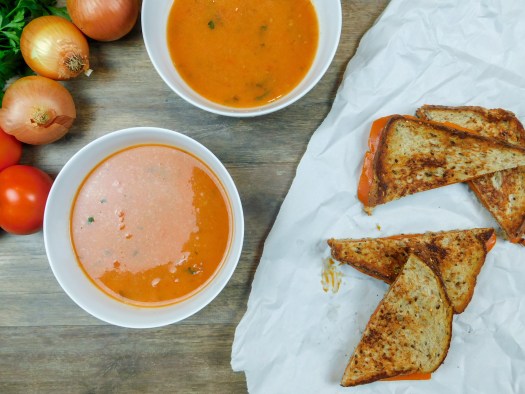
Tomato Basil Soup

This Tomato Basil Soup is perfect for those indoor days when you just want a big bowl of soup! Combing an array of herbs, spices, tomatoes, and coconut cream makes for a delicious and flavorful recipe. Tomato soup is a great comfort food alone, but an even better one when paired with a well-toasted grilled cheese sandwich or French bread rounds. Taking the time to get fresh ingredients and boiling them down to release all of their flavors is really something you don’t get out of a can which is why I highly suggest to always make your own food as much as possible. I hope that you enjoy this recipe with your friends and family!

Yields 4-6 servings

Ingredients

Soup:

8 vine ripe tomato

4 cup vegetable broth

1 medium onion, diced

1-1/2 Tbsp. tomato paste

7-9 fresh basil leaves

1/2 tsp. dried oregano

2 garlic cloves, minced

1 tsp. Vitacost Himalayan Fine Pink Salt

1/2 tsp. ground white pepper

1/2 tsp. apple cider vinegar

1/8 cup coconut cream

Grilled Cheese:

4 slices white bread 

3 Tbsp. vegan butter

6-8 slices of vegan cheese

1/4 tsp. black truffle oil, optional

Directions

  1. In a sauce pan, combine all soup ingredients except for the coconut cream. Bring to a smaller and cover with a lid for 10 minutes.
  2. Using a blender or hand Emerson stick, blend soup until smooth in texture. Add the coconut cream and mix to combine. Turn to low and simmer for 20-30 minutes or until desired consistency is achieved.
  3. Serve with parsley or croutons

Chef’s tip: In a hurry? Combine all ingredients into a blender, heat for 10-15 minutes, and enjoy!

Cashew Chive Cream Cheese

Cashew Chive Cream Cheese

Cashews are such a universal ingredient that can be used to make countless recipes. This cashew cream cheese is made with fresh spices, probiotics and other nutritional ingredients. At the beginning of each week (typically Sundays), I try to make one of these variations: a veggie, plain, or herb cream cheese. This recipe is a good base to use to create other cream cheese flavors, just be sure to switch up the herbs and other added ingredients.

Cashew Chive Cream Cheese

Yields 8 oz. cream cheese

Ingredients

3 cup cashews, soaked overnight

1 Vitacost ROOT2 Extra Strength Probiotic Vegan — 50 billion CFU

1/2 cup filtered water

1/2 tsp. Vitacost Himalayan Fine Pink Salt

2 Tbsp. chives (or green onions)

1-1/2 tsp. onion powder

1/2 tsp. garlic powder

1/4 tsp. smoked paprika, optional

1-1/2 tsp. lemon juice

Directions

  1. In a food processor, combine cashews, probiotic, water, salt and pulse until smooth in consistency.
  2. Using two cheese clothes layered in a colander, pour the mixture into the lines colander- folding the cheesecloth on top.
  3. Place this in a warm spot to culture for roughly 24-36 hours.
  4. Place your cultured cream cheese into a bowl and add the onion flakes, chives, garlic powder, lemon juice, and optional paprika.
  5. Mix until well combined and place back into the fridge for 30 minutes (this is to let the flavors meld together).
  6. Serve with choice of bagel or toast.

Chef’s tip: Make sure to soak the cashews for 7-9 hours for an extra creamy and smooth cream cheese.

Tomato Basil Soup with Grilled Cheese

Tomato Basil Soup with Grilled Cheese

Im sure we all know this classic soup-n-sandwich duo, but if not, id be happy to introduce you! This plant-based grilled cheese uses two slices of bread spread with butter (on one side), Chao cheese, and a drizzle of truffle oil. During these colder months, this dynamic duo will warm you up in all the right places. Just after one measly dunk-n-bite, you will never want any other grilled cheese than then you see before your eyes. Ive been wanting to get this recipe created and I am so happy I get to share one of my top 10 favorite comfort foods!

Tomato Basil Soup with Grilled Cheese

Yields 3-4 servings

Ingredients

Soup:

8 vine ripe tomato

4 cup vegetable broth

1 medium onion, diced

1-1/2 Tbsp. tomato paste

7-9 basil leaves

1/2 tsp. dried oregano

2 garlic clove

1 tsp. Vitacost Himalayan Fine Pink Salt

1/2 tsp. ground white pepper

1/2 tsp. apple cider vinegar

1/8 cup coconut cream

Grilled Cheese:

4 slices white bread 

3 Tbsp. vegan butter

6-8 slices Tomato Cayenne Chao Slices

1/4 tsp. black truffle oil, optional

Directions

  1. In a sauce pan, combine all soup ingredients except for the coconut cream. Bring to a smaller and cover with a lid for 10 minutes.
  2. Using a blender or hand immersion stick, blend soup until smooth in texture. Add the coconut cream and mix to combine. Turn to low and set aside to make the sandwiches.
  3. Heat a frying pan on medium heat and add butter. Place bread down and add cheese, topping with the bread. Brown each side for 2-3 minutes.
  4. Serve with side of tomato soup and basil leaf for garnish

Chef’s tip: You can swap out the coconut cream for cashew milk if you would like.

Falafel Burger

Falafel Burger

Falafel Burger

Burger alternatives are something I really enjoy creating. Here we have a falafel burger that will leave you full and satisfied. The added freshness of parsley and lemon give this meal a real special touch. If you are looking for something without the added carbs or want to lose the buns- you can! Just grab a large iceberg lettuce for a wrap and roll or fold it over the burger.

Falafel Burger

Yields 4 patties

Ingredients

2 cups Vitacost Garbanzo Beans, soaked overnight

3 Tbsp.  flat leaf Italian parsley, chopped

2 cloves of garlic, chopped

1 small white yellow onion, chopped

1/2 small jalapeño, chopped and de-seeded – to taste

1/2 tsp. Vitacost Himalayan Fine Pink Salt

1 Tbsp. Vitacost certified organic ground cumin

1 tsp. baking powder

1/2 tsp. baking soda

1 tsp. ground black pepper

4 buns

1 small tomato

1 small cucumber

1/4 cup iceberg lettuce

Directions

  1. In your food processor, add your chickpeas, parsley, garlic, onion, and jalapeño. Pulse until slightly smooth.
  2. Pour mixture into a medium mixing bowl, stir in the salt, cumin, baking soda, and baking powder. *Option to add 1 Tbsp. of lemon juice for added freshness. Allow to set in the fridge for 30 minutes.
  3. Preheat oven to 375 degrees F.
  4. Form into 2 balls- and flatten into a disc shape to form the patty. Place on to lightly oiled air fryer sheet or sheet pan and bake for 15-20 minutes, or until golden brown. Flipping half way through.
  5. Serve on your choice of bun with tomato, onion, lettuce, cucumber, and Raw Creamy Cucumber Dressing or a tahini dressing.

Chef’s tip: To add more spice to your falafel, you can add the jalapeño seeds. Also, make sure you do not cook your chickpeas after soaking them overnight, your falafel will not turn out as well.